
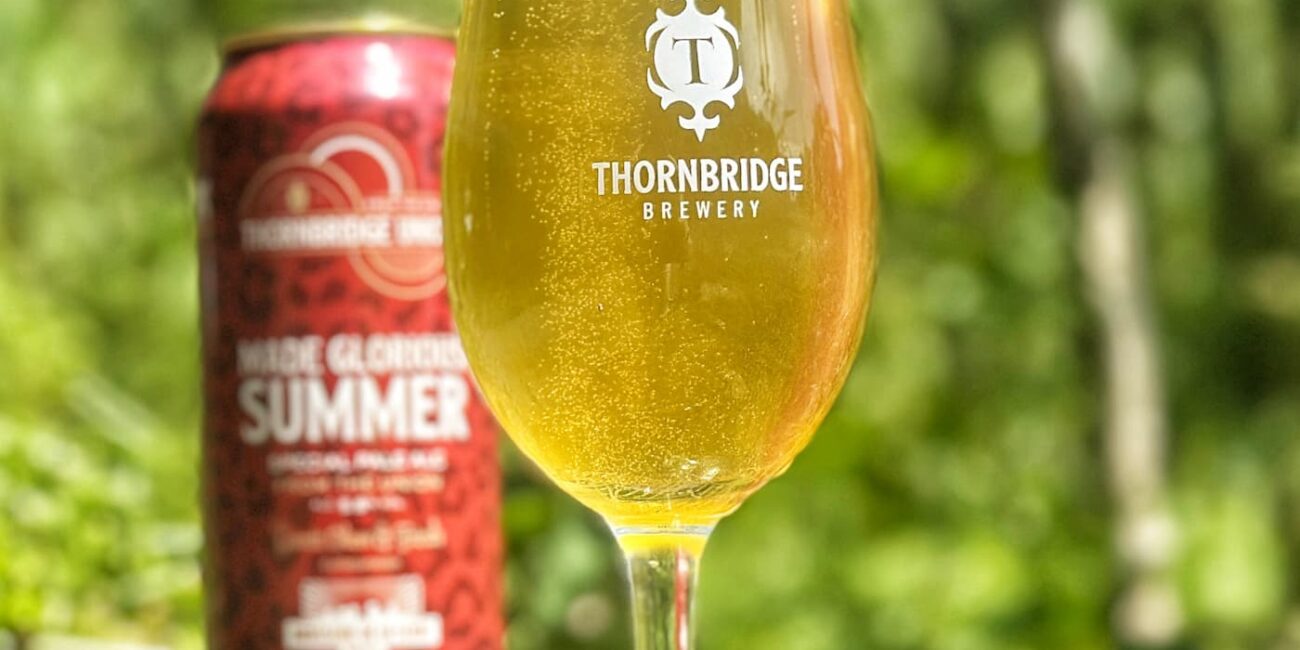
British craft brewing has changed enormously since the early 2000s, but some names have remained closely connected to that transformation. Thornbridge Brewery is one of them. Established in 2005 at Thornbridge Hall near Bakewell, the brewery entered the market with a willingness to use bold hop profiles and contemporary ideas while still respecting traditional British brewing.
Jaipur IPA quickly became the beer that pushed Thornbridge into national attention, yet the brewery did not stop there. Today, its portfolio moves through hazy pale ales, crisp lagers, cask beers, low-alcohol options, collaborations and experimental releases. Add more than 500 industry awards, a busy Derbyshire Taproom and an expanding brewery site, and Thornbridge has developed into far more than the producer of one famous IPA.
Jaipur Changed the Direction of the Brewery Early On
Only months after Thornbridge began brewing, Jaipur arrived and immediately gave the young brewery a distinctive identity. The IPA used an unusually generous amount of American hops for the British beer market of the time, producing a profile that felt bold and modern.
Its success helped create demand that eventually exceeded what the original Hall brewery could comfortably produce. By 2009, Thornbridge had opened the larger Riverside Brewery in Bakewell to support continued growth.
Jaipur still holds that central role more than two decades later. The brewery describes it as the beer that started everything, while its continuing popularity in cask, bottle and can formats proves that the original recipe has not been left behind by newer trends.
Green Mountain Represents a Newer Style of Pale Ale
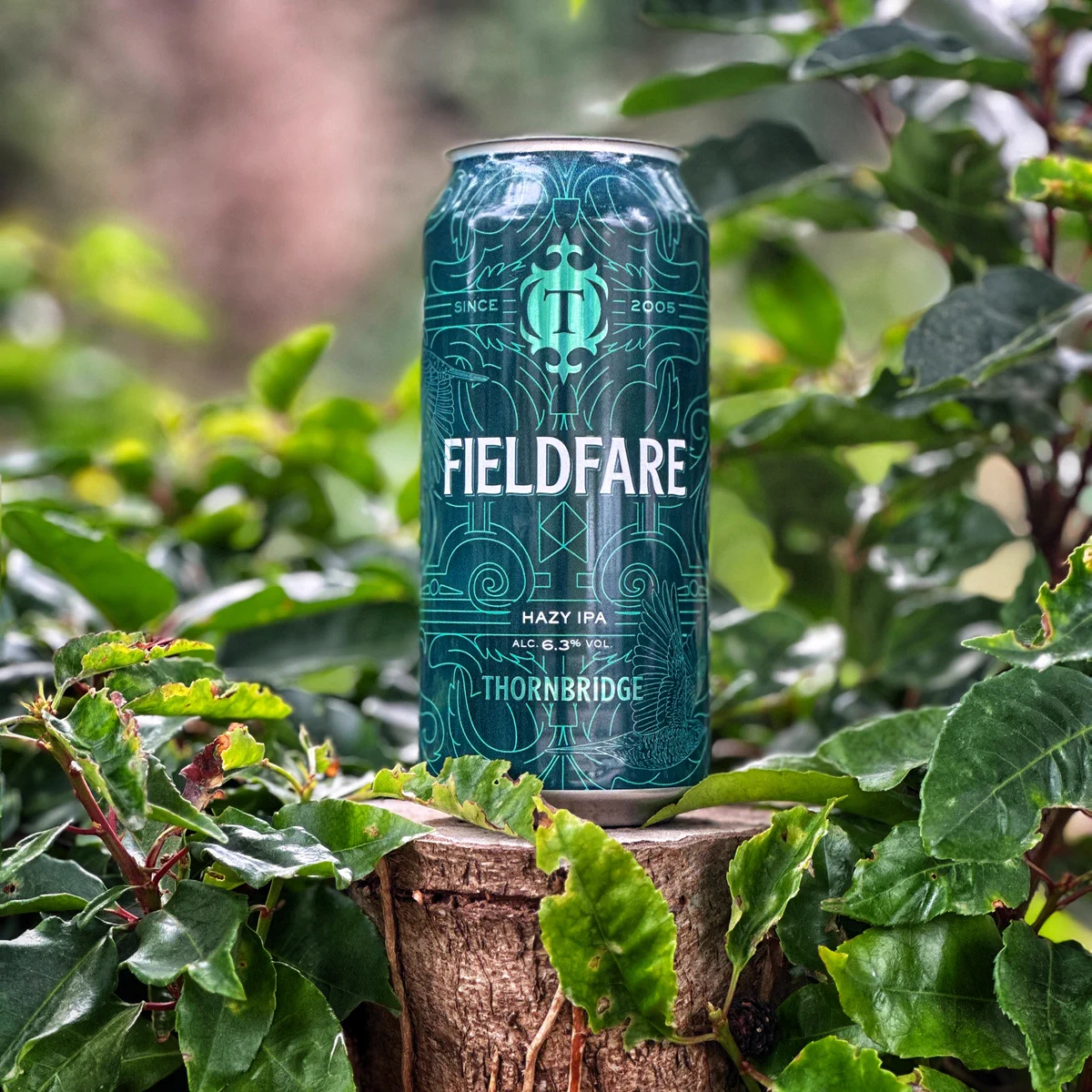
Where Jaipur offers the clarity and strength associated with a classic modern IPA, Green Mountain moves in a softer, hazier direction. The pale ale combines a rounded malt base with expressive American and international hop varieties.
The result is designed around juicy fruit, citrus aroma and a smooth body. Its haze and softer texture reflect a brewing style that became much more prominent after Thornbridge had already established itself.
The fact that both beers can sit comfortably within the same core portfolio says a great deal about the brewery. Thornbridge has been able to adapt to changing beer tastes without removing the products that built its reputation.
A Closer Look at the Thornbridge Portfolio
The brewery currently produces more than 25 beers at a time, giving adult drinkers a wide variety of styles to explore responsibly.
- IPAs include Jaipur and related hop-forward releases.
- Hazy pale ales are represented strongly by Green Mountain.
- Alcohol-free beer includes Green Mountain Alcohol Free at 0.5%.
- Lagers include options such as Lukas and Bayern.
- Pale ales cover beers such as Kipling and 1838.
- Cask beers remain an important part of Thornbridge’s British brewing identity.
- Union beers use the brewery’s historic fermentation system.
- Seasonal releases change throughout the year.
- Collaborations bring other breweries and creative partners into limited projects.
- Mixed selections and discovery cases bring several styles together for variety.
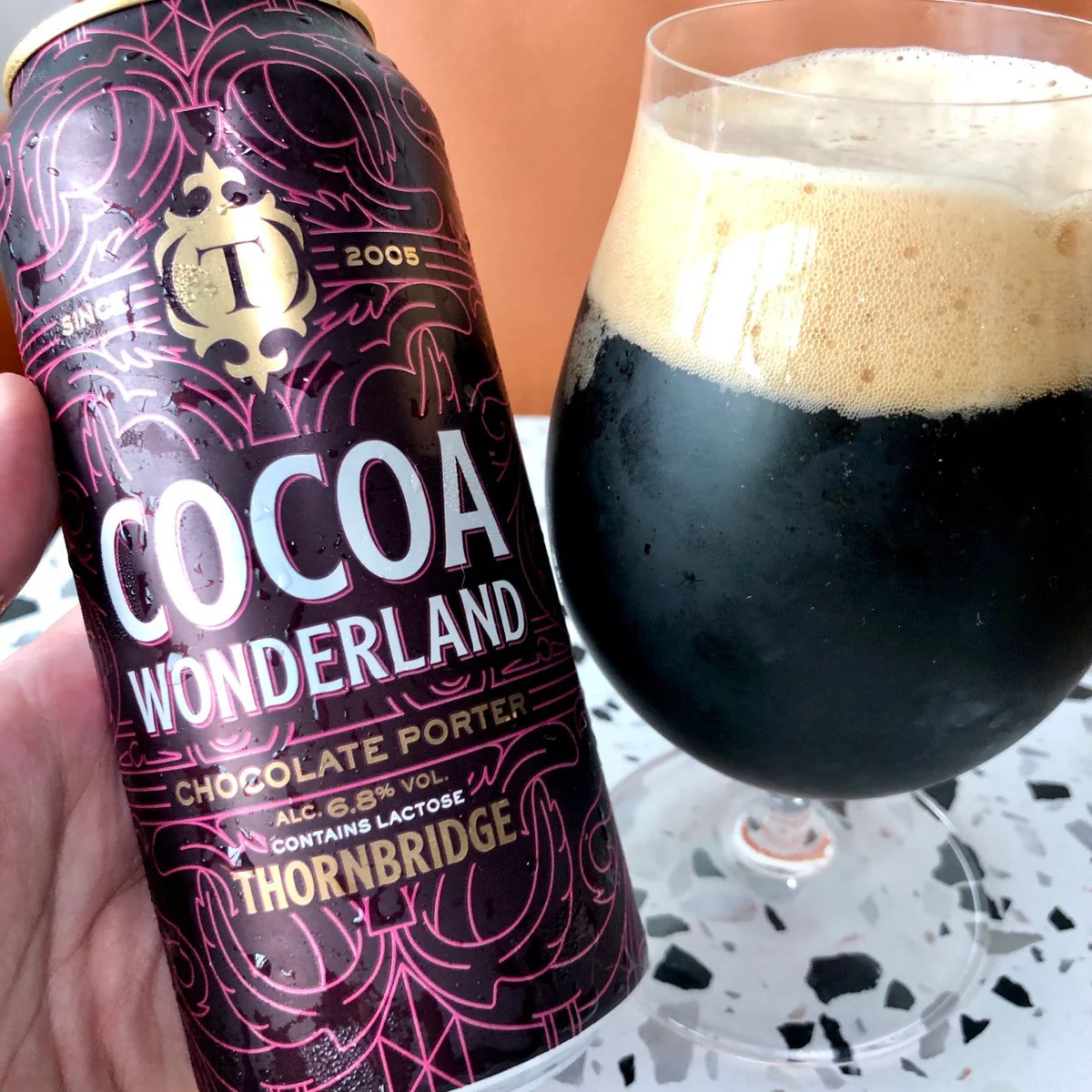
Lager Shows Thornbridge Is Not Defined Only by Hops
Craft breweries are often closely associated with heavily hopped pale ales, but Thornbridge also dedicates part of its range to lager. Beers such as Lukas demonstrate a different side of the brewing operation.
Lager requires patience and control, with cold conditioning playing an important role in developing a clean finish. Thornbridge uses traditional ingredients including Saaz hops within parts of its lager range, creating a noticeable contrast with the American hops associated with Jaipur.
This gives the portfolio better balance. Customers who prefer crisp, clean beer styles do not have to choose a heavily aromatic IPA simply because they are buying from a modern craft brewery.
Awards Reflect a Long Record of Consistency
Thornbridge has accumulated more than 500 awards covering beers, brewing and the wider company. Jaipur appears repeatedly within that history, but recognition has also gone to many other beers across different styles.
Recent awards continue to include traditional ales, wheat beers, strong dark beers and alcohol-free products. This diversity matters because it demonstrates that the brewery’s reputation is not built solely around one recipe.
Awards do not replace individual taste, but they do offer another indication of how consistently Thornbridge has been assessed across more than two decades of brewing.
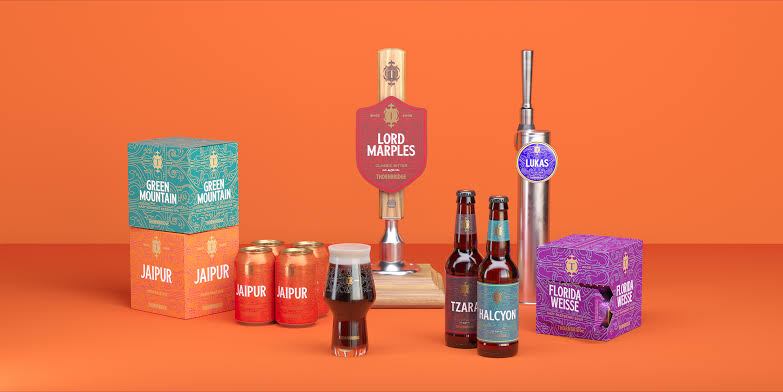
A Brewery That Keeps One Foot in History and the Other in the Future
Thornbridge Brewery has reached a stage where it could comfortably rely on its reputation, but its current range suggests the opposite approach. Jaipur remains central, yet hazy pale ales, alcohol-free brewing, collaborations and Union-fermented projects keep adding new chapters.
That balance is what makes Thornbridge distinctive. The brewery respects the beers and techniques that built its history while continuing to respond to how tastes are changing.
For adults who enjoy beer responsibly, Thornbridge offers more than a famous IPA. It provides a journey through modern British brewing—from hop-heavy innovation and cask tradition to lagers, alcohol-free options and experiments that keep a twenty-year-old brewery feeling surprisingly young.