
Some shoes look perfectly fine in the shop and become unbearable two hours later. Your toes start feeling cramped, the sides of your feet rub, and by the time you get home, taking your shoes off feels better than sitting down.
The frustrating part is that buying a larger size often doesn’t fix it. You end up with extra space in front of your toes while the shoe still feels tight across the widest part of your foot.
If this happens regularly, the problem may not be your shoe size at all. You may simply need wider footwear.
Specialists such as Wide Fit Shoes cater specifically to this problem, offering footwear in multiple width fittings rather than expecting everyone to fit into a standard shoe shape. The retailer carries widths ranging from 2E through to 8E, depending on the style.
First, work out where your shoes actually feel tight
Before buying another pair, think about exactly where the discomfort starts.
If your toes hit the front, you may genuinely need a different size. But if the pressure is around the sides of your forefoot, your toes feel compressed, or you regularly get red marks across the widest part of your feet, width deserves more attention.
This distinction can save you from repeatedly buying shoes that are too long.
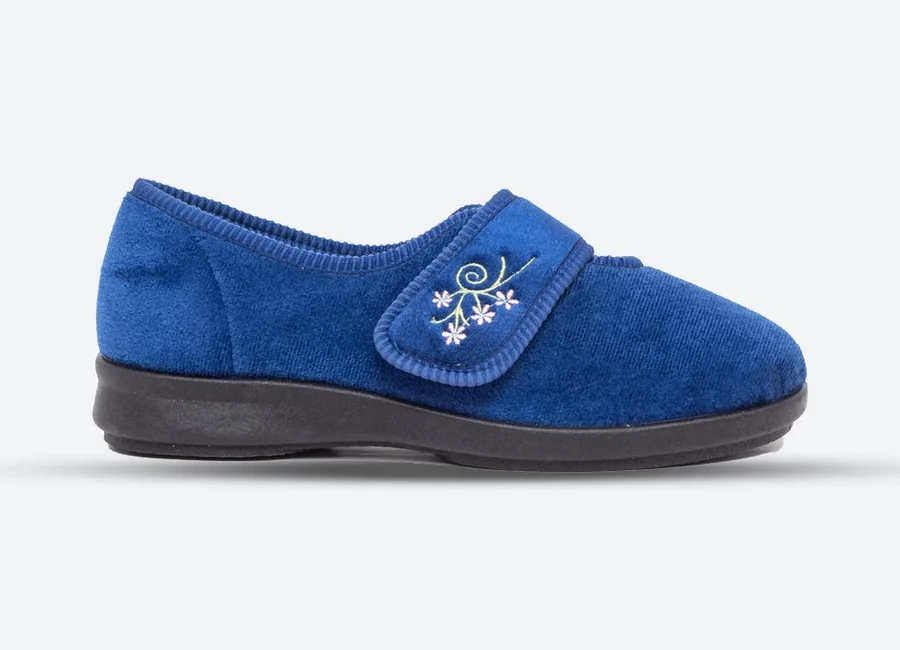
A roomy toe box is particularly useful because it gives the front of the foot more space instead of pushing the toes together. Wide Fit Shoes stocks styles specifically designed with extra room across the toes and forefoot, including options intended for people with bunions or significantly wider feet.
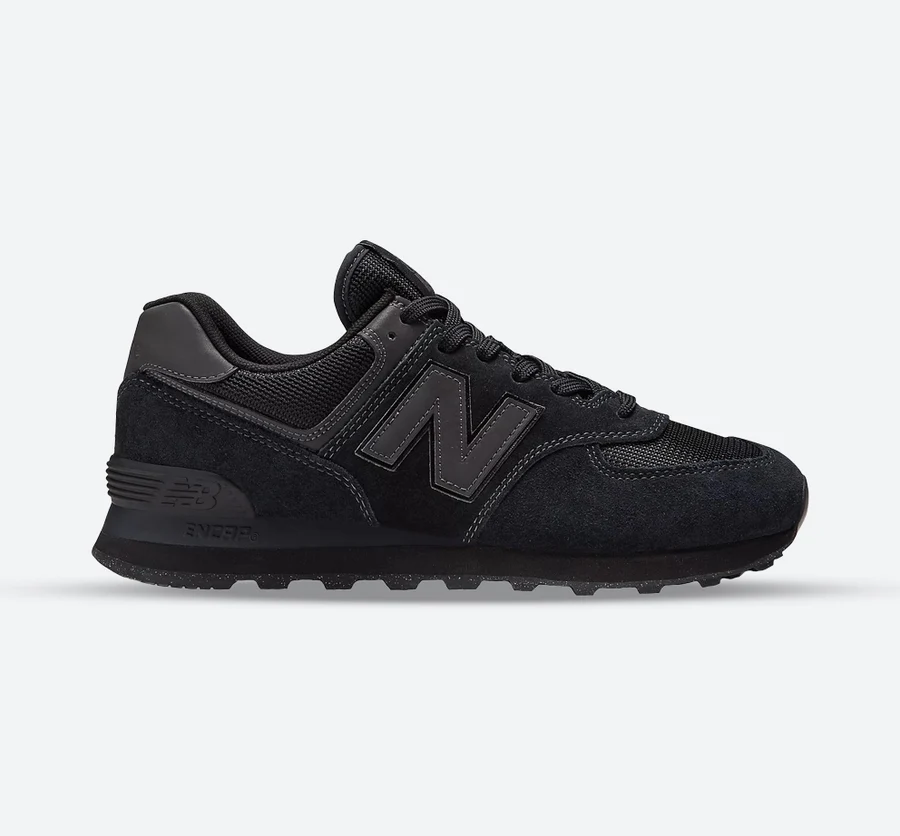
For everyday wear, start with trainers
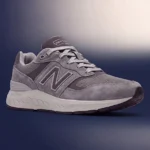
If you spend much of the day walking, commuting, shopping or standing, comfortable trainers are probably the easiest place to start.
Look beyond cushioning. A thick, soft insole might feel comfortable for the first five minutes, but it cannot make up for a shoe that squeezes your foot.
Instead, check the toe shape, overall width, sole stability and whether the fastening lets you make small adjustments. Some wide fit trainers also have removable insoles, which can create additional depth or make space for orthotics.
This is an area where Wide Fit Shoes has plenty of choice. Certain styles combine deep toe boxes with removable insoles and adjustable fastenings, so you are not relying on softness alone to make the shoe comfortable.
What about smarter shoes?
Wide feet shouldn’t mean wearing trainers to every dinner, meeting or special occasion.
For smarter footwear, shape matters enormously. A sharply tapered shoe might look great on a shelf but can quickly become uncomfortable if your forefoot needs more room. Rounded shapes tend to give the toes more usable space.
Adjustability is worth considering too. Lace-up shoes can be useful because you can loosen or tighten different areas as needed. Some feet also change slightly throughout the day, so being able to adjust the fit can make a noticeable difference.
Wide Fit Shoes carries casual and smarter shoes alongside its trainers, boots, sandals and other footwear, so needing an extra wide fit does not restrict you to one type of shoe.
Boots need a little more thought
Boots can be tricky because you’re dealing with more than foot width. Socks add bulk, the instep needs enough room, and the boot still has to feel secure when walking.
If you often wear thicker socks, try them when checking the fit rather than testing boots with thin socks and hoping for the best later.
For people who need extra depth, removable insoles can be especially practical. Some boots stocked by Wide Fit Shoes use two removable insoles, allowing the internal depth to be adjusted or making room for orthotics. Certain styles also open wider to make getting them on and off easier.
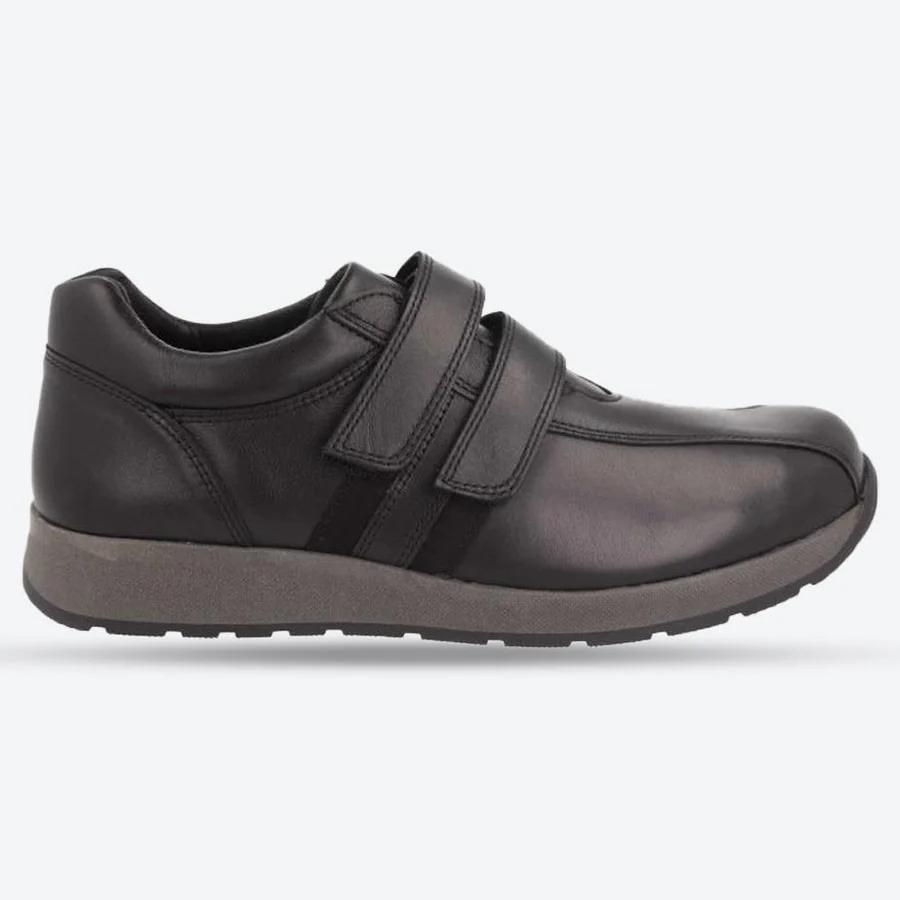
Don’t treat every “wide fit” label as identical
This is probably the most important thing to remember.
Wide fit isn’t one universal width.
One person might only need a little extra space across the forefoot. Someone else may need an extra wide shoe because standard footwear becomes uncomfortable almost immediately. Swollen feet can require even more room.
This is why actual width fittings are useful. For example, Wide Fit Shoes explains 2E as a wider option, with 4E offering greater width and depth and 6E providing an ultra-wide, deeper fit. Variable fittings can extend further depending on the footwear.
Rather than automatically choosing the widest pair available, measure your feet and find the width that suits them.
Shoes shouldn’t be something you endure
We tend to give uncomfortable footwear too many chances. We wear thicker socks, add plasters, loosen the laces, stretch the shoes and convince ourselves they will eventually become comfortable.
Sometimes they do. Often, they simply don’t fit.
If standard shoes repeatedly squeeze the same areas of your feet, trying genuine wide fit shoes could make more sense than buying another larger size. Pay attention to width, toe room, depth and adjustability, then choose footwear around the shape of your feet rather than the number you have always bought.
A comfortable pair shouldn’t require a strategy for getting through the day. It should fit well enough that, once you’re wearing it, you barely have to think about your shoes at all.