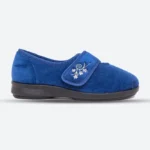

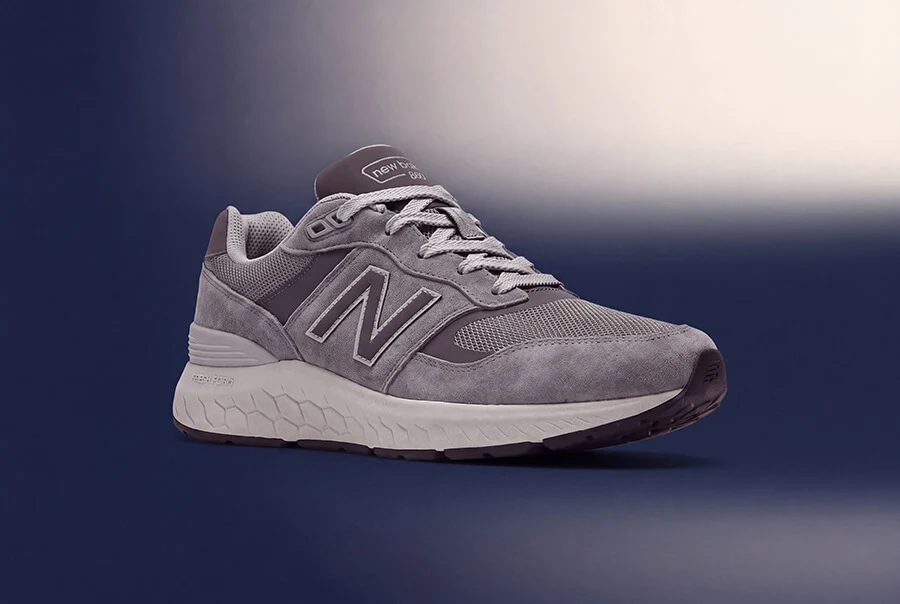
There is a strange habit many of us have with shoes. We accept discomfort far more easily than we should.
A new pair feels tight around the toes? They probably need breaking in. Red marks appear after an afternoon out? Maybe the socks were too thick. Feet aching by the end of the day? That is just what happens after walking for hours.
Sometimes, though, the problem is much simpler. The shoe might be the right length but completely wrong for the width of your foot.
This is where specialists such as Wide Fit Shoes become useful, particularly for people who have spent years automatically buying standard-width footwear without considering whether their feet actually fit it.
Your shoe size doesn’t tell the whole story
Most people know their shoe size almost automatically. Ask someone what size they wear and they can answer immediately. Ask about their shoe width and you are far less likely to get an answer.
Yet two people wearing the same size can have very different feet.
One may have a narrow forefoot, while another needs considerably more space around the toes. Foot shape can also change over time, particularly if you experience swelling or develop conditions such as bunions.
A shoe can therefore be technically correct in length while still squeezing your foot from both sides.
One useful clue is what happens when you take your shoes off. Persistent red marks around the sides, compressed toes or areas that regularly rub deserve attention. If you constantly look forward to taking your shoes off, your feet may be telling you something.
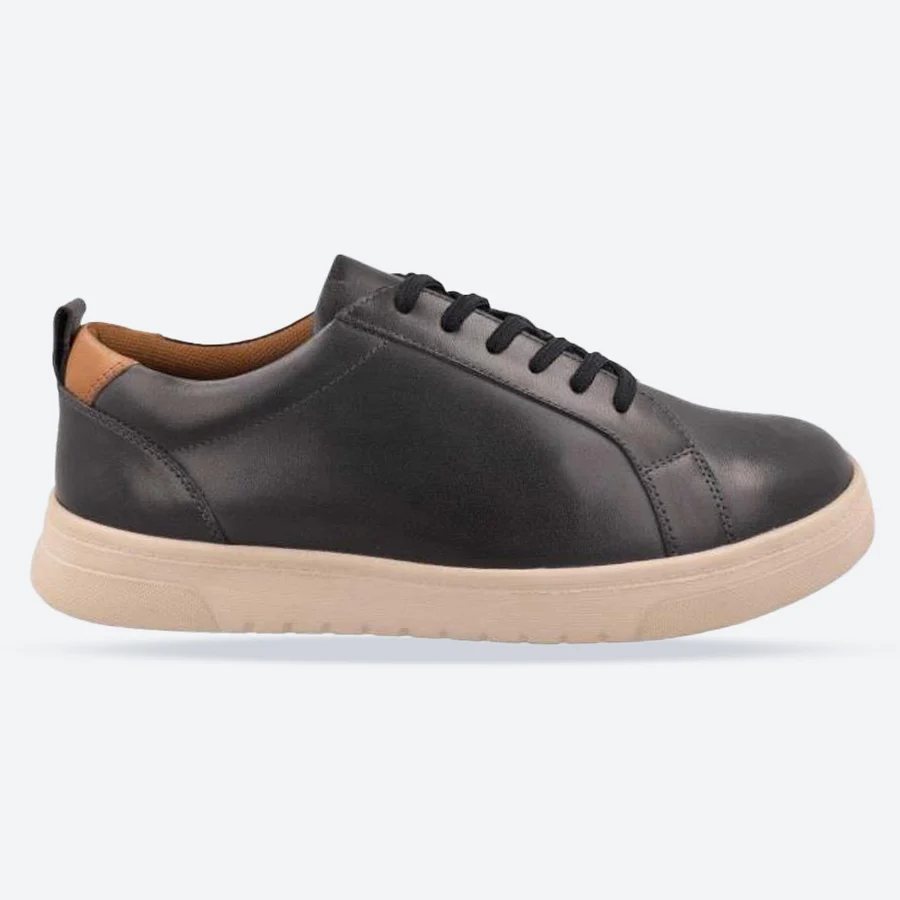
Stop expecting uncomfortable shoes to magically become comfortable
The idea of “breaking in” shoes has probably rescued plenty of questionable purchases.
A little initial stiffness is one thing. Having your toes squeezed together for hours is another.
Shoes should give your forefoot enough room to sit naturally. A wider toe box can be particularly helpful when standard footwear creates pressure around the toes or bunions. Wide Fit Shoes, for example, offers specialist width fittings extending from 2E through to 8E on selected footwear, rather than treating “wide” as one universal measurement.
That distinction matters because wide feet aren’t all the same.
Someone who needs slightly more forefoot room has very different requirements from someone dealing with significant swelling. Buying a shoe simply because the box says “wide fit” does not necessarily solve the problem.
A few signs are surprisingly easy to miss
You do not need to wait until your shoes become painful before questioning the fit.
Pay attention if:
- your toes feel pushed together inside otherwise correctly sized shoes
- the sides of your feet regularly develop red pressure marks
- you repeatedly size up just to gain more width
- shoes feel comfortable in the morning but painfully tight later in the day
- you avoid certain styles because they always rub the same part of your foot
Sizing up is particularly worth mentioning. Going from a size 7 to an 8 may provide some extra space, but it also makes the shoe longer. If width is the actual problem, a proper wide fitting is usually a more sensible thing to investigate.
Comfort isn’t just about buying softer shoes
Soft cushioning feels lovely when you first put a shoe on, but cushioning cannot compensate for poor fit.
Look at the actual construction.
Toe room, adjustable fastenings, supportive soles and removable insoles can all affect how usable a shoe feels throughout the day. Removable insoles can also be important for people who wear orthotics or simply need additional depth.
This is one reason Wide Fit Shoes carries styles with features such as deep toe boxes, adjustable fittings and removable insoles. Some models are specifically designed to create extra depth or accommodate orthotics.
And choosing practical footwear does not mean surrendering to one style of shoe. Trainers, boots, sandals, slippers and everyday shoes can all be found in wider fittings. The goal isn’t to own “special shoes.” It is simply to own shoes that fit.
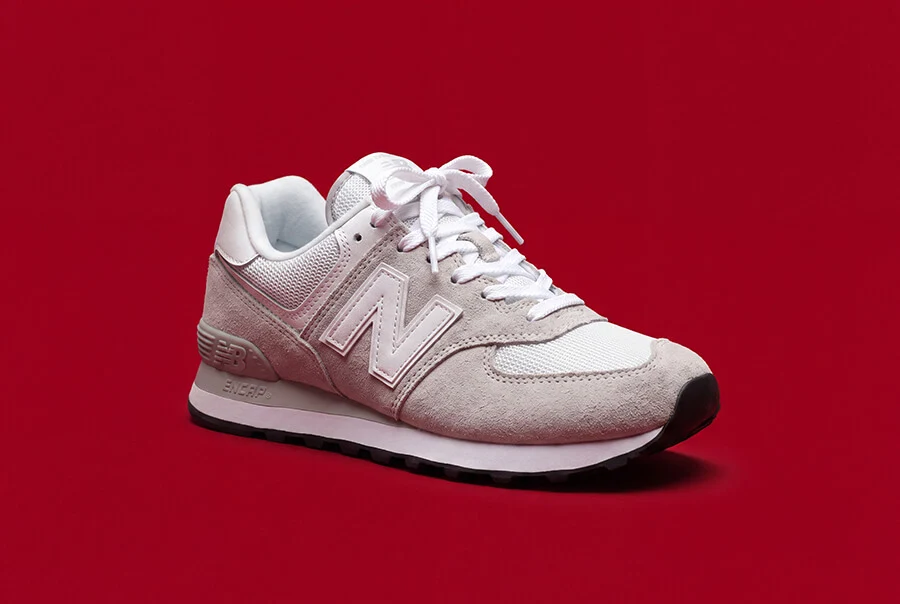
Your feet can change even if your usual size hasn’t
There is another reason not to rely on the size you have bought for the last ten years: feet don’t necessarily stay the same.
Width and volume can change, and swelling can make a shoe that once felt fine noticeably tighter. Bunions and other changes in foot shape can also alter where pressure occurs.
If your reliable size suddenly feels uncomfortable across several different pairs, don’t immediately assume every manufacturer has changed its sizing.
Measure your feet again and pay attention to both length and width.
Wide Fit Shoes even separates wider fittings into different levels, with options intended for people who need anything from a little extra forefoot room to considerably more space.
The right shoes are the ones you stop thinking about
Comfortable footwear rarely gets much attention once it is on your feet. You put it on, leave the house and get on with your day.
Badly fitting shoes are different. You notice them on the walk to work, underneath the restaurant table, halfway around the supermarket and during the journey home.
If that sounds familiar, another pair in your usual standard size may not be the answer.
It may simply be time to question whether standard width was ever right for your feet in the first place. Looking at specialist retailers such as Wide Fit Shoes can help you understand just how much choice exists beyond conventional sizing.
Your feet shouldn’t need weeks to forgive a new pair of shoes. Sometimes they just need more room.