


A consistent golf swing isn’t born from talent alone, it emerges from deliberate practice guided by proven principles and supported by quality training equipment. Many golfers practice without direction, hitting buckets of balls at a range without measuring improvement or addressing specific mechanical issues. This unfocused approach wastes valuable practice time and delays progress by months or even years. Performance Golf provides both the tools and the framework to transform practice sessions into genuine skill development and measurable improvement.
The Foundation of Swing Consistency
Consistency in golf requires repeatability. Your swing should produce predictable results within a reasonable margin of error, allowing you to trust your mechanics under pressure. This doesn’t mean every swing is identical, it means the fundamental positions and sequences remain stable enough that outcomes cluster together rather than scatter wildly across fairways.
Building this foundation starts with understanding your grip, posture and alignment. These fundamentals form the platform from which everything else flows. A poor grip compromises every other element, while proper grip pressure allows the club to release naturally. Posture affects balance and swing plane, while alignment ensures your body and club face aim at your intended target. Performance Golf training aids help golfers establish and reinforce these positions, making them automatic so conscious thought doesn’t interfere during play.
Tempo and Rhythm as Performance Anchors

One of the most overlooked elements of consistency is tempo. Your swing tempo should remain relatively constant across all clubs, with longer clubs naturally taking slightly more time than shorter ones. A swing that accelerates unevenly or varies dramatically between shots introduces inconsistency that no amount of equipment can fix.
Many golfers rush their downswing when they’re anxious or trying to hit farther, destroying the sequence that creates power and accuracy. Practicing with a metronome or rhythm-focused drills trains your nervous system to maintain a consistent cadence regardless of pressure or emotion. Performance Golf offers training protocols designed around tempo work, helping golfers groove a rhythm that feels natural and repeatable. When you play with consistent tempo, the rest of your swing mechanics have a chance to work properly and your results become far more predictable.
Targeted Drills for Shot-Specific Improvement
Rather than hitting random shots during practice, effective golfers follow structured drill routines that address specific distance ranges and shot types. Basket drills, ladder drills and distance-based progressions all build confidence and competence in targeted areas. These drills transform aimless practice into measurable progress toward specific goals.
Short game practice is particularly crucial, since roughly 60 percent of strokes occur within 100 yards of the green. Spending half your practice time on shots inside 100 yards directly impacts your score more than any amount of driving range work. Performance Golf provides practice tools and training guides that break down short game improvement into manageable, repeatable drills that show measurable progress over time. A structured chipping routine, for example, builds the mechanics and confidence needed for pressure situations around the green.
Launch Monitor Data and Feedback Loops
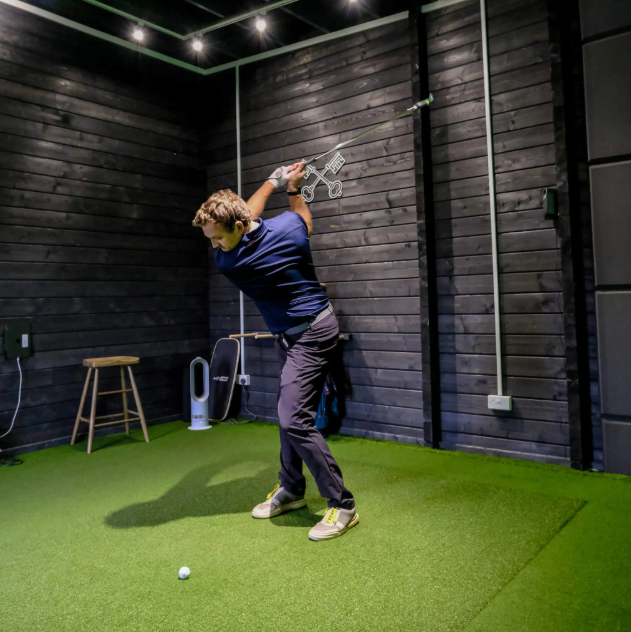
Modern golf training incorporates data feedback from launch monitors and swing analyzers. These devices measure club head speed, ball speed, launch angle, spin rate and shot shape, providing objective information about what your swing is actually producing. Performance Golf integrates this technology into training programs, so you’re not relying on feel alone to determine whether you’re improving.
Feedback loops are essential for learning. Without knowing the results of each shot in specific terms, you can practice for years without meaningful improvement. A golfer might think they’re hitting the ball better when in fact they’re just lucky with a few good breaks. Data-driven practice accelerates learning by showing you exactly which adjustments produce better results. Seeing that a small change in swing plane produces 200 more yards off the tee creates immediate motivation and confidence in the new mechanics.
Building Mental Resilience Under Pressure
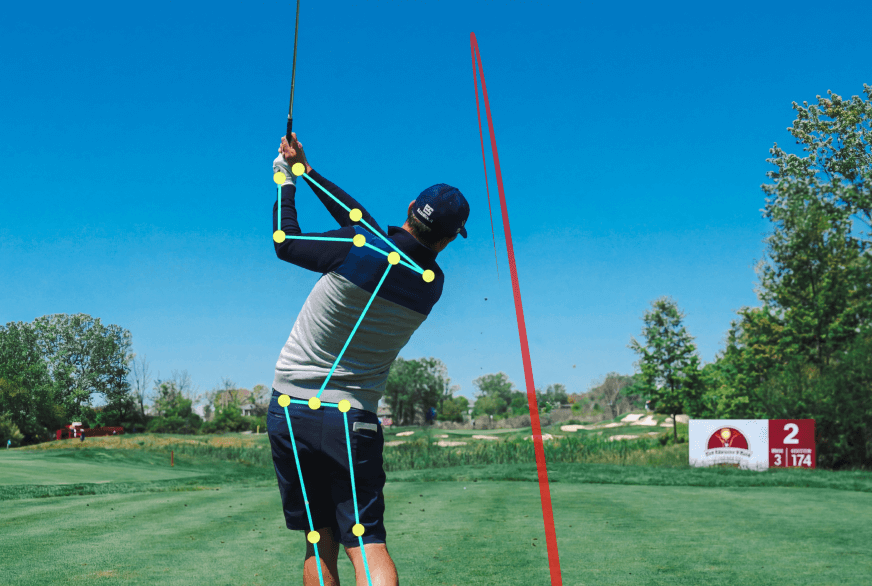
Consistency also means your swing holds up when stakes are high. Pressure golf is different from range golf. Stress hormones activate, breathing becomes shallow and muscles tense up. Training for pressure involves practicing under simulated pressure situations rather than only practicing casually in relaxed conditions.
Playing practice rounds against friends, setting up competition-style scoring and practicing specific situations you find challenging all train your mind and body to perform when it matters. Hitting ten consecutive 6-foot putts for score teaches you something completely different than hitting casual putts at the range. Performance Golf training methodologies incorporate pressure elements, ensuring that your improved swing mechanics transfer to actual play and competitive rounds.
Long-Term Development and Progression
- Establish a baseline of your current performance using data and consistent measurement methods to track progress.
- Identify the highest-impact areas for improvement based on how you actually score, not on what feels worst.
- Create a practice schedule that dedicates time to long game, short game and course management in appropriate proportions.
- Track progress regularly and adjust your practice plan when plateaus occur or when improvements stall.
- Balance instruction, deliberate practice and casual play to maintain motivation and continue improving over time.
Golfers who practice with intention, supported by quality training tools and clear feedback mechanisms, consistently outpace those who simply hit balls. The difference isn’t necessarily natural ability, it’s the structure, focus and commitment to improvement that separates advancing golfers from stagnant ones. A golfer who practices three hours weekly with purpose improves far faster than one who practices five hours aimlessly. Performance Golf equips you with everything needed to build a repeatable, reliable swing that performs when it counts most.