

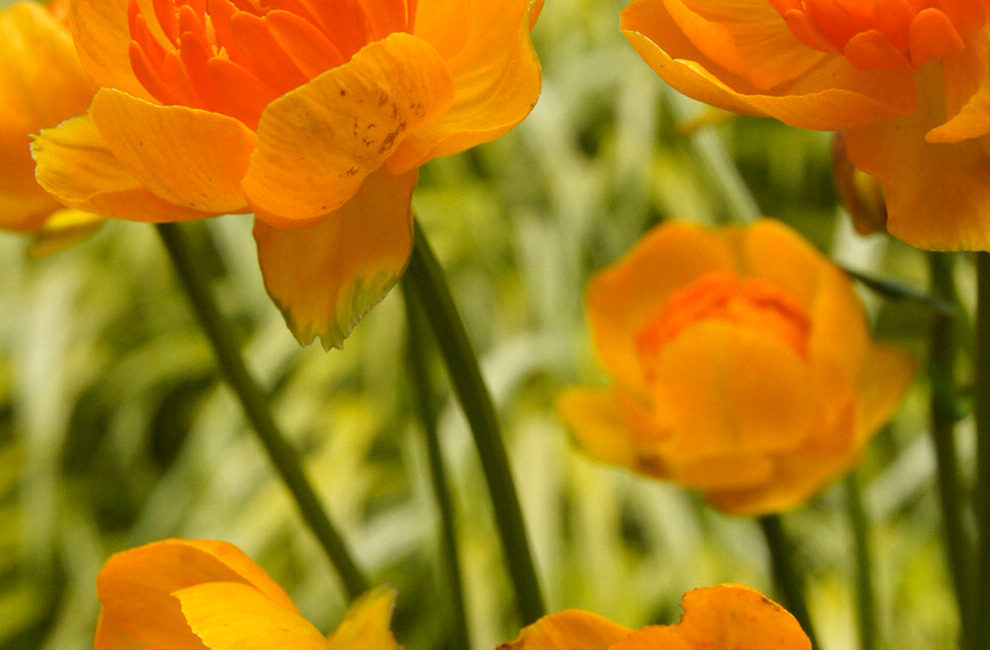
A thriving garden begins with understanding the plants that bring it to life. Whether you’re cultivating a vegetable patch, creating ornamental borders with flowering plants or establishing a low-maintenance landscape, selecting appropriate plants forms the foundation of gardening success. Each plant species brings unique characteristics, care requirements and aesthetic contributions that shape your garden’s character and productivity.
Dutch Grown provides access to premium garden plants carefully selected for quality and vitality. From flowering perennials to productive vegetables, understanding plant needs and growing conditions empowers gardeners to create environments where plants flourish. Knowledge about soil preferences, water requirements, sunlight needs and seasonal considerations transforms any outdoor space into a beautiful, productive garden retreat filled with vibrant flowers and foliage.
Choosing Plants for Your Garden Environment
Successful gardens start with plants matched to available conditions. Sunlight, soil type, climate zone and water availability determine which plants thrive in your specific location. Full-sun gardens accommodate sun-loving plants like roses, lavender and tomatoes, while shaded areas benefit from hostas, ferns and shade-tolerant perennials. Understanding your garden’s microclimate prevents frustration and resource waste from attempting to grow incompatible species.
Assess your garden space carefully before purchasing plants. Observe sun patterns throughout the day, test soil composition and consider annual rainfall and temperature ranges. Dutch Grown provides guidance matching plants to specific conditions, ensuring selections thrive with appropriate care. Starting with plants suited to your environment reduces maintenance while increasing success and gardening satisfaction from the beginning.
Understanding Perennials and Annuals
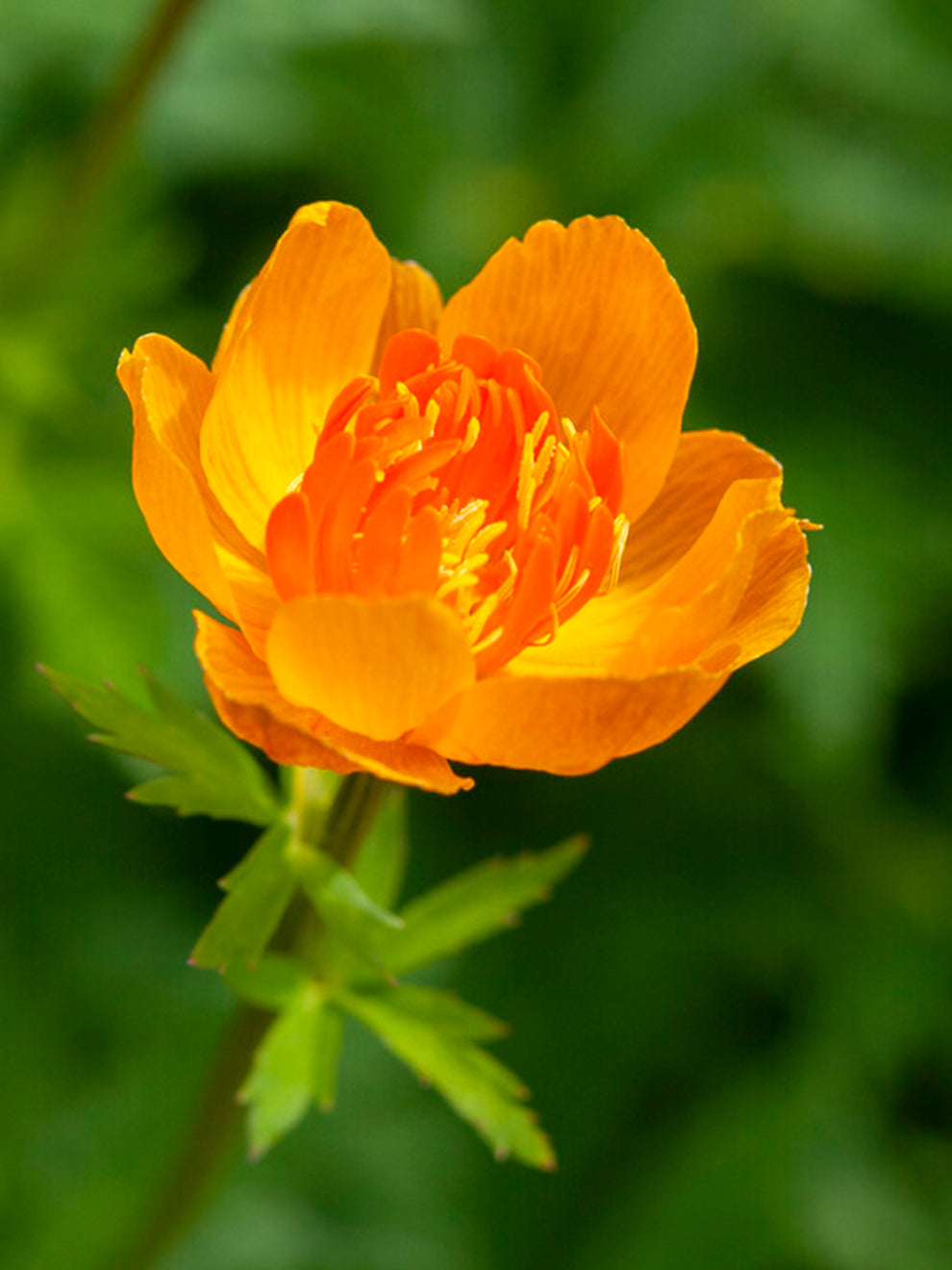
Perennial plants return year after year, establishing deeper root systems and requiring less replanting effort after the initial establishment phase. These long-term residents provide structure, reliability and increasing value as they mature. Popular perennials include coneit, black-eyed Susans, daylilies and sedums, each offering distinct bloom times and visual characteristics that create seasonal interest throughout years. Flowering perennials provide reliable color from spring through autumn.
Annual plants complete their entire life cycle in one season, providing reliable, consistent color without returning the following year. Impatiens, marigolds, petunias and begonias offer flexibility and allow experimentation with different color combinations yearly. Combining perennials with annual flowers creates dynamic gardens that maintain structure while allowing creative seasonal expressions. Annual replanting refreshes gardens without requiring major redesign, making this approach popular among gardeners seeking variety and change.
Vegetables and Productive Plants
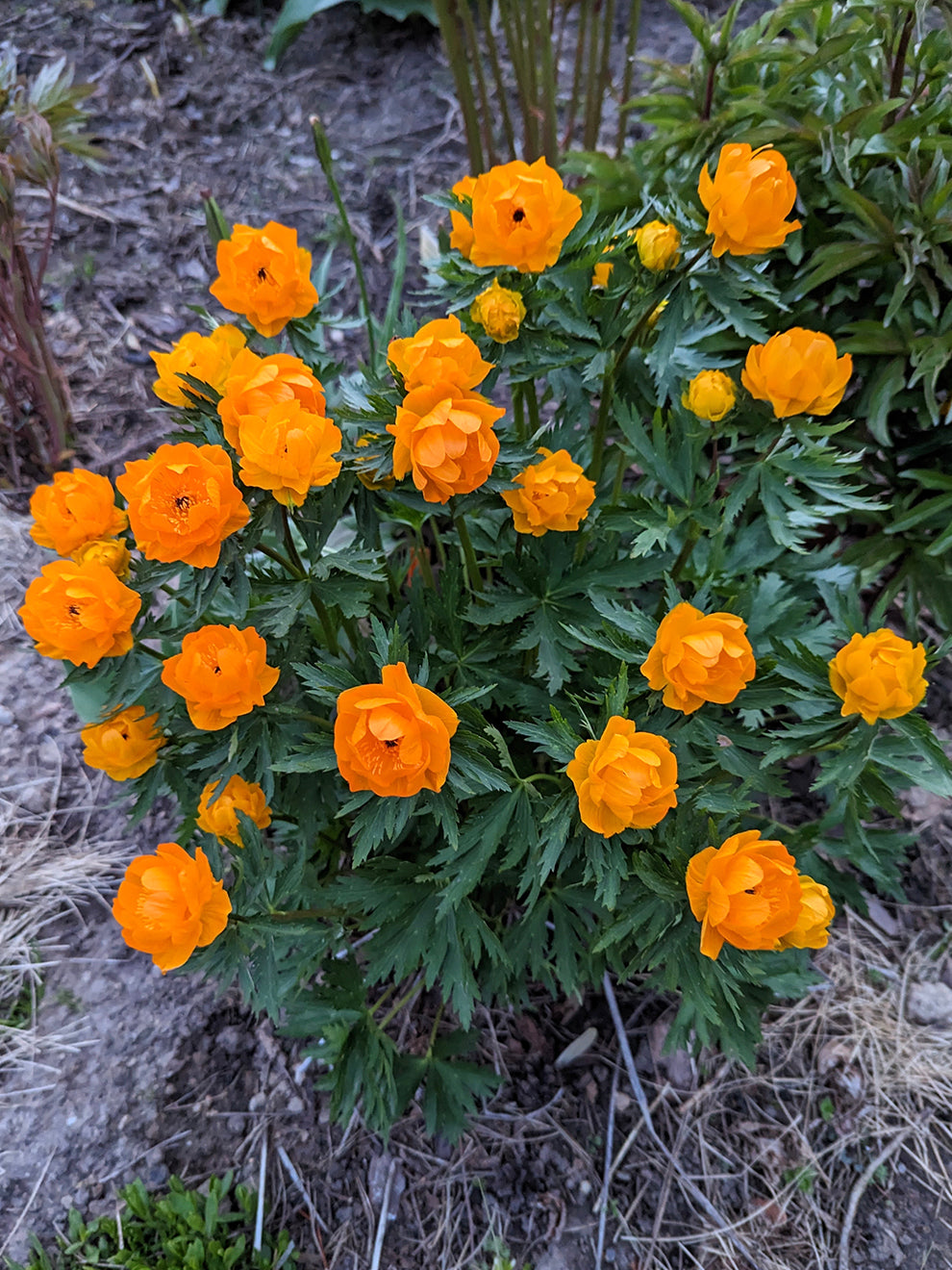
Growing your own vegetables provides fresh produce, satisfaction from cultivation and significant cost savings compared to store-purchased alternatives. Tomato flowers bloom before fruit production, pepper plants produce delicate blooms, lettuce, beans and squash offer varying difficulty levels suitable for beginning gardeners through experienced horticulturists. Container gardening allows vegetable cultivation even in limited space, expanding growing possibilities for apartment dwellers and space-constrained properties.
Productive gardens thrive with proper planning and attention to these key elements Dutch Grown
- Choose vegetables suited to your climate zone and length of growing season.
- Plan garden layout to provide adequate spacing for mature plant sizes.
- Install appropriate support structures like trellises for climbing plants.
- Establish consistent watering schedules maintaining soil moisture without overwatering.
- Monitor for pests and diseases, addressing issues promptly with organic solutions.
Regular harvesting encourages continued production, providing ongoing bounty throughout the growing season while preventing plant exhaustion from overproduction.
Ornamental Plants and Garden Aesthetics
Ornamental plants create visual interest through foliage color, texture and architectural form beyond flowering displays. Hostas, coral bells, Japanese maples and ornamental grasses provide year-round interest even when not blooming. Variegated foliage, unusual leaf shapes and distinctive growth habits add dimensionality to garden spaces, creating engaging landscapes that appeal to the eye throughout every season with or without this.
Dutch Grown selections include beautiful ornamental options complementing diverse design preferences. Combining ornamental plants with blooming species creates sophisticated gardens with extended seasons of interest. Strategic placement of distinctive foliage plants frames garden views, directs attention and establishes focal points that organize entire garden compositions into coherent, intentional designs that showcase both flowers and form.
Establishing New Plants Successfully
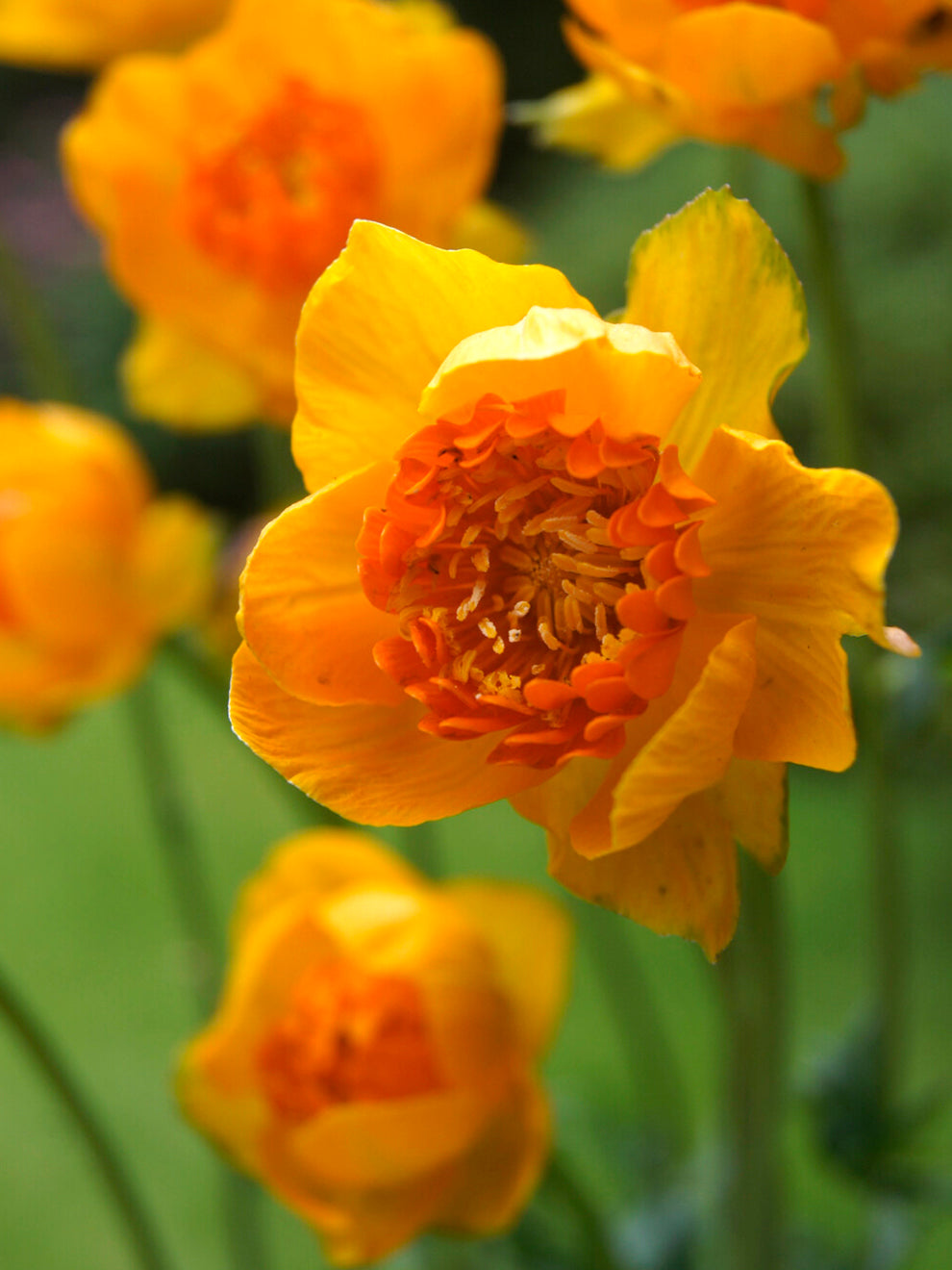
New plant establishment requires consistent attention during the first growing season. Regular watering, mulching to retain soil moisture and monitoring for stress ensure successful root development and establishment. Patience during the establishment year yields strong, vigorous plants with deep root systems capable of accessing water during drought periods. Proper planting technique, including appropriate hole depth and backfill, prevents problems developing from initial planting errors.
Seasonal care varies throughout the year, from spring fertilizing to fall preparation for dormancy. Pruning removes dead wood, encourages bushier growth and shapes plants according to design intentions. Pest monitoring prevents small problems from developing into major infestations requiring extensive intervention. Observing your garden regularly allows early detection of issues while solutions remain simple and effective, protecting plant health and garden aesthetics.
Creating Garden Ecosystems
Mature gardens evolve into balanced ecosystems supporting diverse life. Native plants attract pollinators like bees and butterflies essential for healthy fruit and seed production, drawn by colorful flowers and nectar. Beneficial insects, birds and other wildlife create natural pest control, reducing dependency on chemical interventions. Designing gardens to support ecological function creates beautiful spaces serving environmental purposes while providing aesthetic enjoyment and productive harvests.
Building a thriving garden combines plant selection, proper establishment, consistent maintenance and patience as plants develop maturity. Dutch Grown quality plants and expert guidance provide foundations for gardening success, transforming outdoor spaces into flourishing sanctuaries that reward effort with beauty, productivity and natural abundance.