

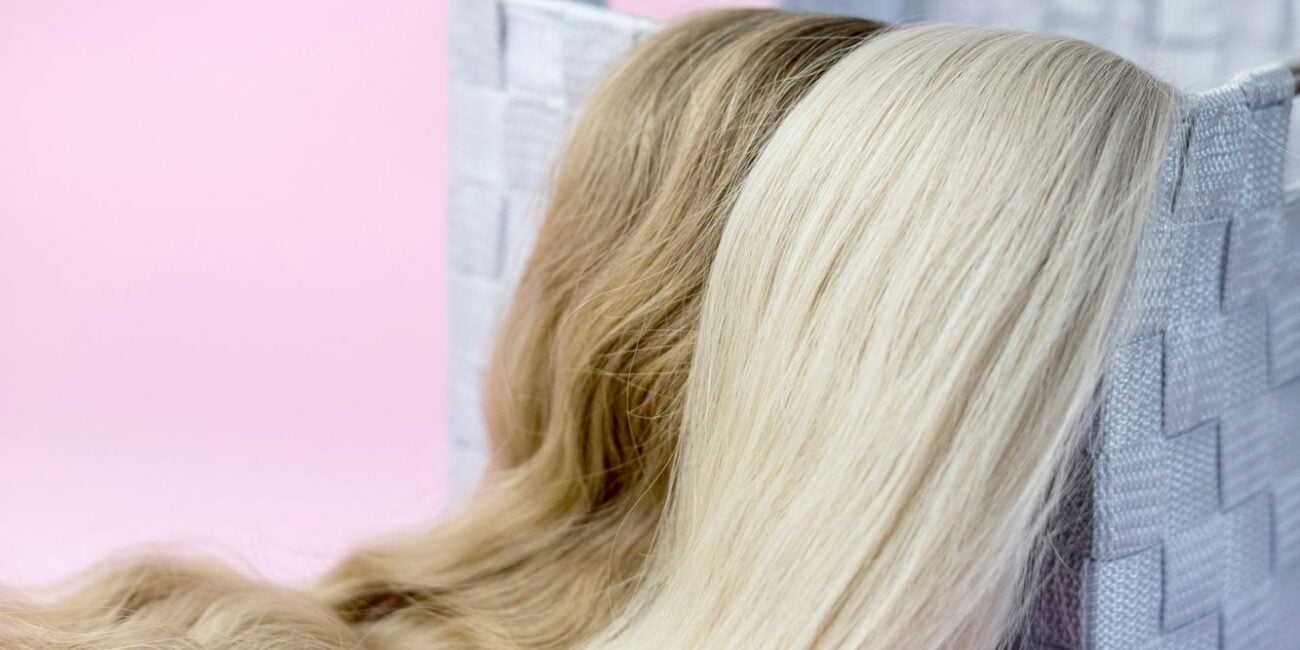
Owning beautiful hair extensions is just the beginning, keeping them looking pristine requires understanding proper care, styling techniques and maintenance routines. Cliphair Well-maintained hair extensions can last significantly longer and maintain their lustrous appearance through countless wearings, while neglected extensions quickly become dull, tangled and unsalvageable. The good news is that proper care doesn’t require complicated procedures; it simply demands consistency and using the right products. Whether you have clip-in, tape-in or permanent extensions, learning to handle them correctly ensures they remain beautiful and functional for as long as possible.
Washing and Conditioning Techniques
Hair extensions require gentler handling than natural hair because they lack the natural oils your scalp produces. When washing Cliphair your extensions, use lukewarm water and sulfate-free shampoos designed for processed or fragile hair. Always wash in a downward motion, never rubbing or scrubbing vigorously, which causes tangling and fiber damage. Apply shampoo primarily to the base where extensions attach, allowing the soapy water to cascade down naturally through the lengths. Conditioning is crucial, extensions become brittle and break without adequate moisture. High-quality conditioners designed for extensions penetrate the strands, restoring hydration and maintaining silkiness. Apply conditioner primarily to mid-lengths and ends, avoiding roots where your natural hair and extensions meet.
Detangling Without Damage
Preventing tangles is far easier than removing them once they’ve developed. Use a wide-tooth comb or extension-specific brush to gently work through your hair regularly, starting from the ends and working upward gradually. Never yank through tangles or use regular brushes designed for shorter hair, which catch and break extension fibers. Cliphair Quality extensions come with specialized brushes in many cases, use these tools exclusively. For stubborn tangles, try detangling sprays or lightweight oils that help fibers slide apart without friction. Many people find that gently working through small sections with patient, deliberate strokes prevents the matting that leads to serious tangling problems. Spending five minutes daily on gentle detangling prevents hours of frustration later.
Heat Styling Best Practices
While human hair extensions can withstand heat styling like natural hair, they require precautions to prevent damage. Always apply heat protectant products before using styling tools, creating a protective barrier between the fibers and direct heat. Use lower heat settings than you would on natural hair, as extensions lack scalp oils that provide natural protection. When curling or straightening, work in small sections with smooth, deliberate movements rather than rough, quick passes. Allow extensions to cool completely before touching them, as this sets the style and reduces brittleness. Professional styling tools designed for extensions often work better than regular blow dryers or flat irons, as they provide more even heat distribution and reduce damage risk.
Nighttime Care Routine
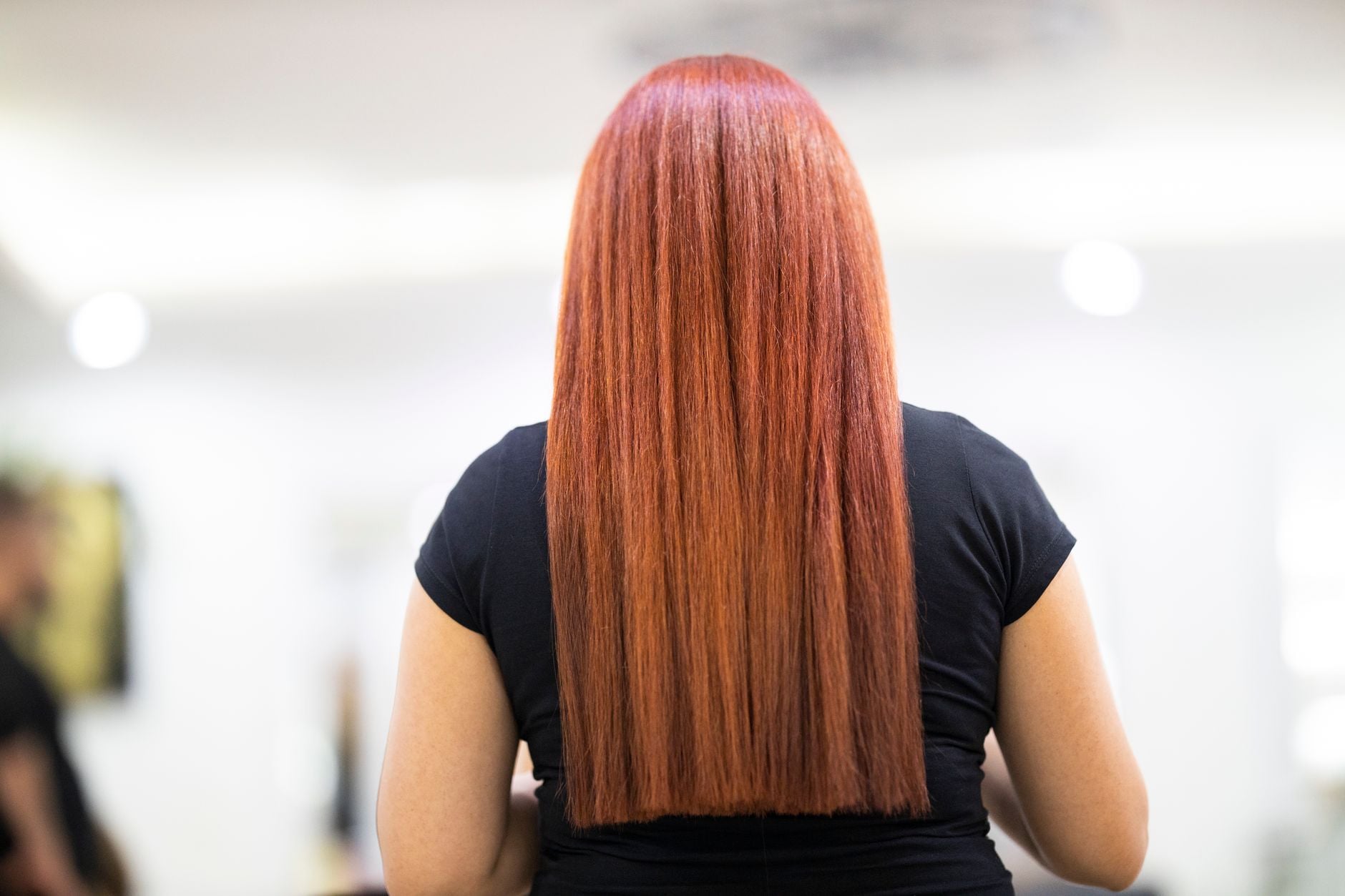
How you care for extensions while sleeping significantly impacts their longevity. Before bed, brush through your extensions gently to remove any tangles that developed during the day. Consider sleeping on a silk or satin pillowcase, which creates less friction than cotton and prevents overnight matting. Many Cliphair extension wearers prefer sleeping with their hair in a loose braid or bun, which prevents tangling while allowing hair to rest comfortably. Some people remove clip-in extensions before sleeping, giving their natural hair a break and extending the lifespan of both. Establishing a simple nighttime routine prevents most common extension problems and takes just a few minutes each evening.
Product Selection and Compatibility
Not all hair products work well with extensions, particularly those containing silicones, sulfates or heavy oils that coat and weigh down fibers. Look for extension-specific product lines or those formulated for dry, damaged or color-treated hair, which tend to be gentler. Lighter products work better than heavy formulations, as excess product buildup attracts dirt and makes extensions look dull. Dry shampoos can extend time between full washes, refreshing extensions and your natural hair without requiring water and full shampooing. Reading product labels and choosing wisely prevents buildup and maintains that fresh, beautiful appearance extensions should have.
Professional Maintenance Appointments
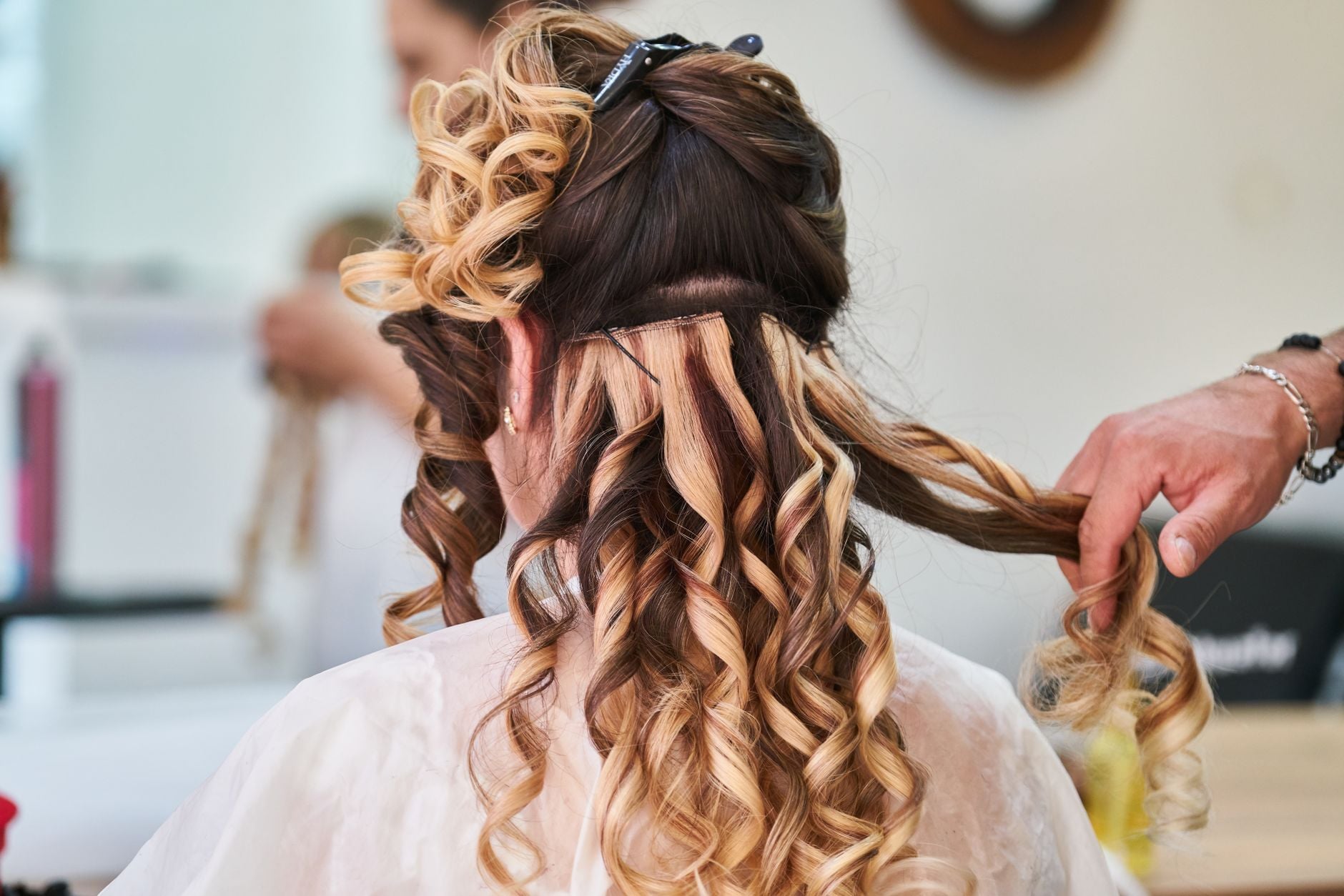
Depending on your extension type, periodic professional maintenance keeps them looking flawless. Tape-in extensions need repositioning every four to eight weeks as natural hair grows, which professionals handle perfectly. Sew-in and glue-in extensions benefit from professional cleaning and rejuvenation treatments. Cliphair Professional stylists familiar with extensions can address tangling, color fading and other issues that develop over time. These appointments are investments in your extensions’ longevity and your investment’s long-term value. Many salons specialize in extension care, offering services specifically designed to restore and maintain different extension types.
Common Mistakes to Avoid
- Never sleep in wet extensions, which can cause mildew and unpleasant odors in the fibers.
- Avoid exposing extensions to chlorine or saltwater without protection, as these substances damage and fade hair.
- Don’t use hot water for washing, which opens the hair cuticle and causes dryness and breakage.
- Never apply product directly to roots or attachment points, which can loosen adhesives or clips.
- Skip heavy oils and serums that weigh down extensions and make them look greasy rather than glossy.
Maintaining stunning extensions comes down to consistency, proper products and gentle handling. By establishing good habits now, you’ll enjoy beautiful, healthy-looking extensions that continue turning heads for months or years. Your investment deserves the care required to keep it looking as gorgeous as the day you first put it in.