

Global humanitarian crises demand urgent, coordinated responses that extend far beyond charity. When disasters strike, conflicts displace populations or communities face dire poverty, coordinated international support becomes the difference between survival and tragedy. Muslim Aid operates at the frontlines of these emergencies, providing immediate relief, reconstruction support and long-term community development to vulnerable populations across continents. The organization’s integrated approach to humanitarian work demonstrates how principled aid, rooted in Islamic values of compassion and justice, creates lasting positive change.
Emergency Response Acting When Seconds Count
Natural disasters, earthquakes, floods, cyclones, droughts, strike with devastating speed, leaving populations without shelter, food, clean water or medical care. In these critical moments, organized humanitarian response can mean the difference between thousands surviving or perishing. Aid maintains rapid-response capabilities, pre-positioned resources in disaster-prone regions and partnerships with local organizations that enable swift deployment of emergency aid. Within hours of a disaster, the organization mobilizes supplies, food, water purification systems, medical equipment, temporary shelter materials and skilled personnel to areas where they’re needed most urgently.
The organization’s emergency response framework prioritizes the most vulnerable children, the elderly, pregnant women, people with disabilities and those already marginalized within their communities. By focusing on these populations, Aid ensures that limited resources reach those with the least capacity to self-recover. The organization also recognizes that immediate relief addresses symptoms, not root causes, which is why emergency response is only the first phase of Aid’s intervention strategy.
Medical Assistance and Healthcare Infrastructure
Many communities served by Muslim Aid lack basic healthcare infrastructure. Clinics remain understaffed, facilities are underequipped and preventable diseases claim lives that accessible care would save. The organization addresses this gap through mobile clinics, mobile vaccination drives and support for building permanent healthcare facilities. In refugee camps and post-conflict regions, Aid’s medical teams provide maternal care, child health services, treatment for communicable diseases and psychosocial support for trauma survivors.
Beyond acute care provision, Aid invests in capacity building, training community health workers and strengthening local medical personnel. This approach creates sustainable healthcare improvements, reducing dependency on external organizations and building local expertise that persists long after initial interventions conclude. A clinic built by Aid becomes a permanent community asset, staffed and maintained by trained local professionals who understand regional health challenges intimately.
Food Security and Nutrition Programs
Hunger remains a crisis that affects hundreds of millions globally, with children bearing disproportionate consequences. Malnutrition during critical developmental windows causes permanent cognitive and physical damage, limiting children’s potential for their entire lives. Aid addresses food security through multiple strategies direct food assistance to hungry populations, support for local agricultural development, establishment of school feeding programs and vocational training to help communities develop food production capacity.
The organization’s approach to nutrition recognizes that sustainable food security depends on helping communities produce food themselves rather than creating permanent dependency on external aid. Agricultural training programs teach improved growing techniques, climate-appropriate crop selection and water conservation methods. By combining immediate food assistance with long-term agricultural development, Muslim Aid creates pathways out of hunger and toward community self-sufficiency.
Education as Foundation for Opportunity
Children in conflict zones and impoverished regions often lose access to education during their most formative years. This educational gap cascades through their lives, limiting employment opportunities, earning potential and capacity to improve their families’ circumstances. Aid recognizes education as a fundamental humanitarian need alongside food and medical care, supporting school construction, teacher training, provision of educational materials and scholarships for vulnerable students.
In regions affected by conflict or natural disaster, Aid’s education programs provide normalcy and hope during chaos. Schools become safe spaces where children process trauma, reconnect with peers and envision futures beyond immediate crises. Adult education programs support displaced adults in developing marketable skills, enabling economic participation and dignified earning.
Water and Sanitation Preventing Disease at the Source
Access to clean water and functioning sanitation remains a privilege in many communities served by Aid. Contaminated water sources cause disease outbreaks that disproportionately affect children and the immunocompromised. The organization invests in water infrastructure, wells, piping systems, treatment facilities, that provide communities with safe water access. Sanitation infrastructure investments prevent waterborne disease transmission, reducing both mortality and the burden on healthcare systems.
These infrastructure investments are designed for permanence and community ownership. Rather than providing temporary water containers, Muslim Aid builds systems managed and maintained by trained community members. This ensures sustainability and builds local technical capacity.
Psychosocial Support in Trauma Recovery
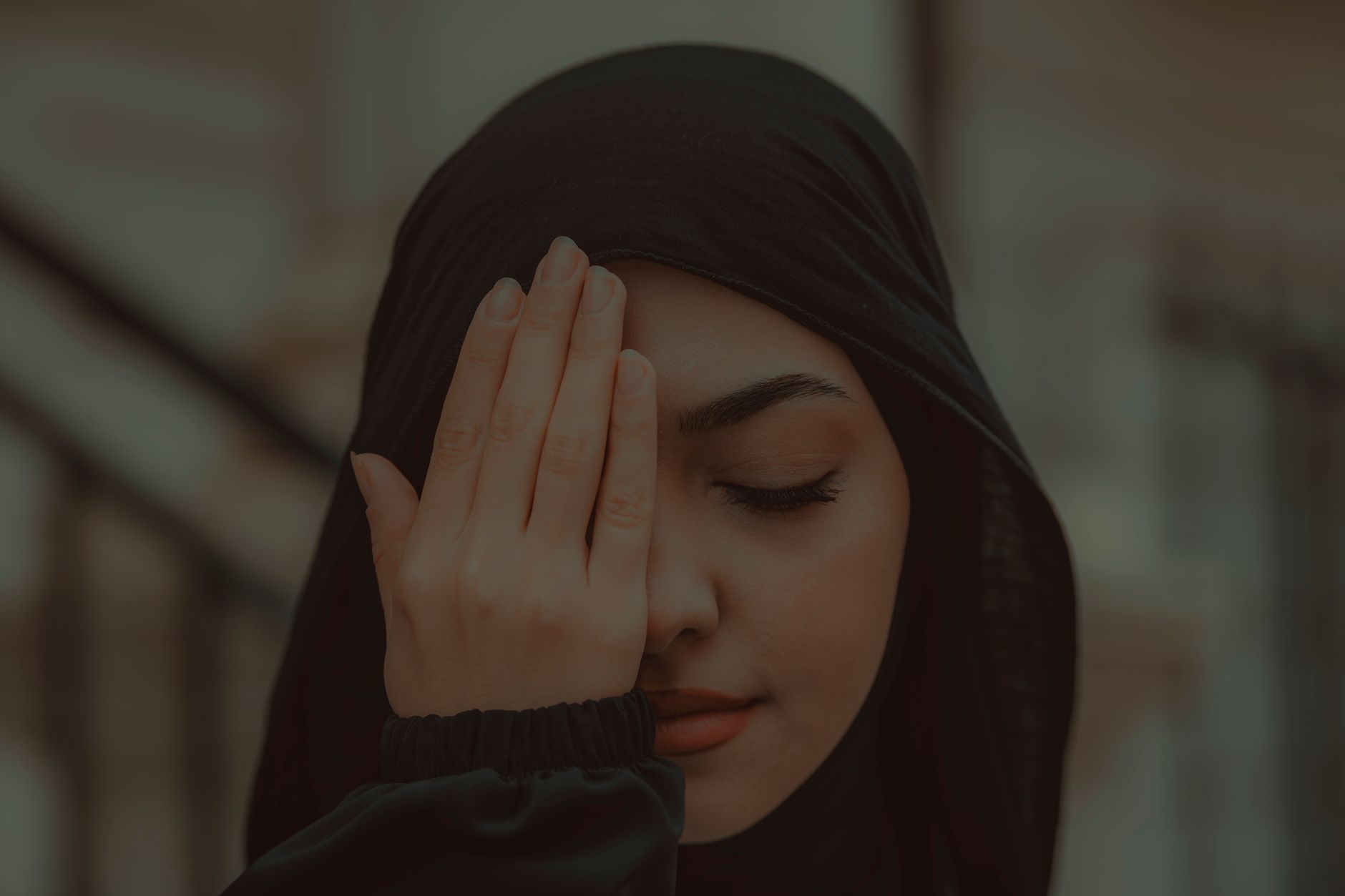
War, natural disasters and extreme poverty leave profound psychological wounds alongside physical ones. Survivors of violence, displacement and loss carry trauma that interferes with healing, recovery and reintegration. Aid increasingly recognizes psychosocial support as an essential humanitarian intervention, supporting trained counselors, group therapy programs and community healing activities that help traumatized populations process their experiences and rebuild resilience.
- Emergency response capabilities enable rapid deployment to disaster-affected communities within critical time windows.
- Healthcare programs address immediate medical needs while building permanent local medical capacity.
- Food security initiatives combine emergency assistance with agricultural development for sustainable improvement.
- Education investments provide hope and opportunity to children during and after crisis periods.
- Aid integrates immediate relief with long-term development for lasting humanitarian impact.
Principled Humanitarianism Rooted in Islamic Values
What distinguishes Aid is the organization’s foundation in Islamic humanitarian principles that emphasize human dignity, justice and compassion. These values guide not only what the organization does but how it does it, ensuring aid respects cultural contexts, promotes beneficiary dignity and addresses underlying injustices that create humanitarian crises. The organization’s work demonstrates that humanitarian response grounded in ethical principles creates more effective, more respectful and more sustainable change than aid divorced from these values.
Supporting Muslim Aid means contributing to lifesaving interventions that reach the world’s most vulnerable populations with respect, dignity and commitment to lasting change. Your support translates directly into emergency care, education, food, water and healthcare for people whose survival and opportunity depend on international solidarity.